

Authorities in Nigeria are being urged to investigate the wave of abductions in the West African country, where attacks by insurgent groups are increasing.
The UN Deputy Secretary-Generalvoiced deep alarmon Saturday over the latest mass abduction from a school in Nigeria, calling for the immediate release of those taken.
At least 402 people,mainlyschoolchildren, have beenkidnappedinfour statesin the north-central regionNiger, Kebbi, Kwara and Bornosince 17 November, the UN human rights office,OHCHR, said on Tuesday.
Only88 havereportedly beenfreed orescapedfrom captivity.
Call for justice
We are shocked at the recent surge in mass abductions in north-central Nigeria, OHCHR Spokesperson Thameen Al-Kheetansaidin Geneva.
We urge the Nigerian authorities at all levels to take all lawful measures to ensure such vile attacks are halted and to hold those responsible to account.
OHCHR said the authorities must ensure the safe return of all those still being heldandprevent furtherabductions.
Rising hunger, security threat
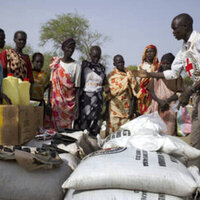
The rise in insurgent attacks is threatening regional stability and causing a spike in hunger, the World FoodProgramme(WFP)added.
Thelatest analysisfindsnearly35million peopleare projected to face severe food insecurity during the 2026 lean seasonfrom June to August the highest number everrecordedin the country.
Insurgent attacks have intensified this year,the UN agency said.
JamaatNusrat al-Islamwal-Muslimin (JNIM), an al-Qaeda affiliate,reportedly carriedout its first attack inNigerialast month,while the insurgent group IslamicState in West Africa Province (ISWAP) isreportedly seekingto expandacross the Sahelregion.
Communities are under severe pressure from repeated attacks and economic stress, said David Stevenson, WFP Country Director and Representative in Nigeria.
If we cant keep families fed and food insecurity at bay, growing desperation could fuel increased instability withinsurgent groups exploiting hunger to expand their influence, creating a security threat that extends across West Africa and beyond.
Millions at risk
WFP noted that northern Nigeria is experiencing the most severe hunger crisis in a decade,and rural farming communities arethe hardest hit.
Nearly sixmillion people are projected to face crisis levels of hunger or worse during the 2026 lean season in Borno,Adamawaand Yobe states. This includes some 15,000 people in Bornostate who are expected to confront catastrophic hunger, orfamine-like conditions.
The situation is unfolding as WFP continues to face funding shortfalls which have forced the agency to scale down nutritionprogrammesin the northeast in July, affecting more than300,000 children.
WFPwarned that resources foremergency food and nutritionassistancewill run outin December, meaning millions will be left without vital support next year.