

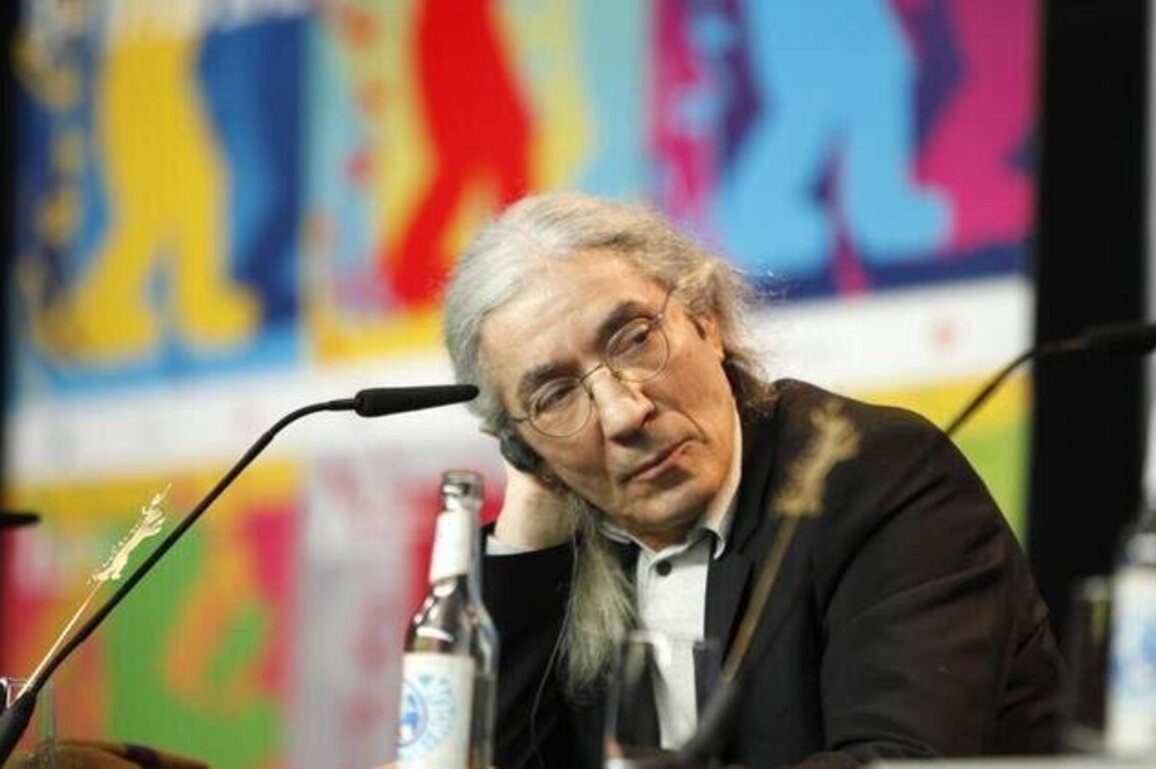
Algerias president on Wednesday granted a humanitarian pardon to French-Algerian novelist Boualem Sansal following a German request for his release. The 81-year-old writer, whose year-long imprisonment sparked widespread criticism, was en route to Germany for medical treatment, German President Frank-Walter Steinmeier said.
French-Algerian writerBoualem Sansalwas granted a humanitarian pardon, the Algerian presidential office said in a statement on Wednesday.
Sansal, 81, was arrested on November 16, 2024, in Algiers and sentenced on appeal in July 2025 to five years in prison for comments deemed harmful to national unity.
His pardon came after German PresidentFrank-Walter SteinmeierurgedAlgeriato free Sansal. "The president of the republic decided to respond positively to the request of the esteemed president of the friendly Federal Republic ofGermany", said the Algerian presidential statement.
Read moreFrench-Algerian writer Boualem Sansal won't appeal sentence, hopes for pardon
The statement saidGermany"will be in charge of the transfer and treatment" of Sansal, who suffers from prostate cancer, according to his family.
Steinmeier thanked Algerian PresidentAbdelmadjid Tebbounein a statement for the "humanitarian gesture" that "demonstrates the quality of the relations and trust between Germany and Algeria".
Hours after the pardon was announced, Sansal was en route to Germany, Steinmeier said later Wednesday.
French PresidentEmmanuel Macronon Wednesday thanked his counterparts in Algiers and Berlin for Sansal's release on humanitarian grounds.
Macron, while visiting the southern city of Toulouse, said he had spoken by phone with Steinmeier "to express my deep gratitude for Germany's good offices", after Berlin requested and obtained Boualem Sansal's pardon.
"I acknowledge this gesture of humanity from President Tebboune and thank him for it," he said of the Algerian leader, adding that he remained "available to discuss with him all matters of interest to our two countries".
Prior to the pardon, Macron had called on Tebboune to show "mercy and humanity" by releasing the author.
Read moreMacron urges 'mercy' for jailed writer Sansal in call with Algeria's Tebboune
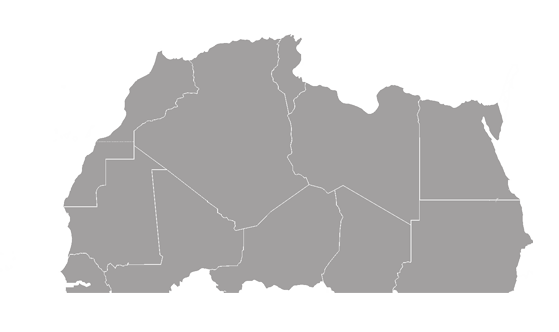
Sansal is known for his criticism of Algerian authorities as well as of Islamists. He was arrested in November after saying, in an interview with a far-right French media outlet, thatFranceunfairly ceded Moroccan territory to Algeria during the colonial era.
His statement, which echoed a long-standing Moroccan claim, was viewed by Algeria as an affront to its national sovereignty.
The author's arrest in Algiers deepened a diplomatic rift with France, which analysts have said is the worst the two countries have seen in years.
Read more'Insult to injury': Whats behind the rising tensions between France and Algeria?
'I hope we will see each other soon'
Sansal's daughter Sabeha Sansal, 51, expressed her relief over the decision in a phone call from her home in the Czech Republic.
"I was a little pessimistic because he is sick, he is old, and he could have died there," she said. "I hope we will see each other soon."
A prize-winning figure in North African modern francophone literature, Sansal acquired French nationality in 2024.
Appearing in court without legal counsel on June 24, Sansal had said the case against him "makes no sense" as "the Algerian constitution guarantees freedom of expression and conscience".
When questioned about his writings, Sansal asked: "Are we holding a trial over literature? Where are we headed?"
His case has become a cause celebre in France, but his past support forIsraeland his 2014 visit there have made him largely unpopular in Algeria.
The case has also become entangled in the diplomatic crisis between Paris and Algiers, which has led to the expulsion of officials on both sides, the recall of ambassadors and restrictions on holders of diplomatic visas.
Read more'Insult to injury': Whats behind the rising tensions between France and Algeria?
Another point of contention was the sentencing to seven years in prison of French sportswriter Christophe Gleizes in Algiers on accusations of attempting to interview a member of the Movement for the Self-Determination of Kabylie (MAK), designated a terrorist organisation by Algeria in 2021.
Both Sansal and Gleizes's prosecution came amid the latest rise in tensions between Paris and Algiers, triggered in July 2024 when Macron backed Moroccan sovereignty over the disputedWestern Sahara, where Algeria backs the pro-independencePolisario Front.
Civil servant turned novelist
An economist by training, Sansal worked as a senior civil servant in his native Algeria, with his first novel appearing in 1999.
"The Barbarians' Oath" dealt with the rise of fundamentalist Islam in Algeria and was published in the midst of the country's civil war which left some 200,000 people dead according to official figures.
He was fired from his post in the industry ministry in 2003 for his opposition to the government but continued publishing.
His 2008 work "The German Mujahid" was censored in Algeria for drawing parallels between Islamism and Nazism.
He has received several international prizes for his work, including in France and Germany.
In recent years Germany has offered refuge to several high-profile prisoners from other countries.
The late Russian opposition leaderAlexei Navalnywas treated at Berlin's Charite hospital after being poisoned in August 2020.
Last year Germany welcomed several other high-profile Russian dissidents as part of a historic prisoner swap with Moscow.
(FRANCE 24 with AFP)
Originally published on France24