

Funding shortfalls are putting the lives of more than 1.9 million displaced people in South Sudan at risk amid rising humanitarian needs, the International Organization for Migration (IOM) said on Wednesday.
Renewed fighting in South Sudans Jonglei state has displaced hundreds of thousands of civilians in recent weeks, damaged health facilities, fuelled the spread of cholera and prompting the UN relief chief to warn of a perfect storm of conflict, climate shocks and deprivation.
Thewarningcomes as theworldsyoungestnationremainsamongthetop displacement crises, withnearly10million peoplein need of humanitarianassistanceincluding returneesfleeingthe warinneighbouringSudan.
IOMrequiresjust over $131 millionfor operations in South Sudan this yearbut faces a$29 millionfunding gap.
An extraordinary burden
The UN agency and partners are supporting theauthoritieswith piloting government-led solutions underthe UN Secretary-Generals Action Agenda on Internal Displacementwhose goals includeensuring effective protection andassistanceforthose who have beenuprooted, andpreventing new displacement crises from emerging.
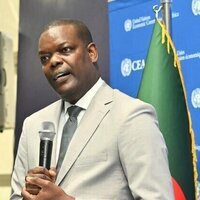
South Sudan is carrying an extraordinary burden, and funding shortfalls risk undermining progress toward durable solutions for millions, said IOM Deputy Director General for Operations, Ugochi Daniels,who iscurrentlyvisiting the country.
Displaced families and host communities are trying to rebuild their lives,but the strain is real.Without sustained support and progress toward peace, these communities could face renewed instability anddisplacement.
Conflict within and beyond borders
Millionsof peopleremaindisplaced withinSouth Sudanand across borders due to years of conflict,floodingand instability.
Major aid cutsare constraining the delivery of life-saving assistance and slowing progress toward longer-term recovery.
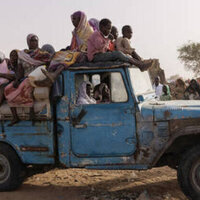
South Sudan is also grappling with new arrivals fleeing the warbetween rival militariesin Sudan which erupted in April 2023.Since then, more than1.3 million peoplehave crossedthe border.The majority,67 per cent, areSouth Sudanese returnees.
Thesituationisplacing immense pressure on border communities, overstretched services, and fragile infrastructure.
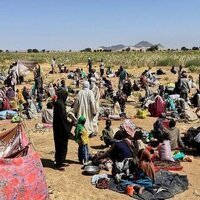
IOM/Mohammed MuseBentiu Protection of Civilians site in South Sudan, one of the largest displacement sites in the country, hosts tens of thousands of internally displaced persons.Ease the burden
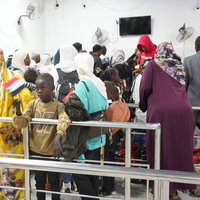
The northern town ofRenkisamongthe main entry points for peopleescaping from war-ravagedSudan,andhumanitarian needsremainacute.
Emergency assistance, health screening, protection support, and onward transportation remain critical to stabilizing new arrivals and easing the burden on host communities already facing limited resources,IOMsaid.
Ms. Danielstravelledto the city of Bentiu where familiesare returninghome andrebuildingafter years of displacement and floods.
Dikes, drainage, and water pumping, make this possible, butlasting recovery depends on security and continued investment in basic services and livelihoods, she wrote in a tweet.
Inresponse to the overall situation,IOMstressed the needfor strong coordination and leadershipgrounded in close partnership withthe South Sudaneseauthorities, reliable humanitarian access to people in need, and security for humanitarianworkers.
IOM/Mohammed MuseBentiu Protection of Civilians site in South Sudan, one of the largest displacement sites in the country, hosts tens of thousands of internally displaced persons.