

PNN
New Delhi [India], June 5: Today, hair transplant surgery is the standard surgical method to treat advanced stages of Androgenetic alopecia, also known as male/female pattern hair loss. The procedure involves harvesting healthy hair follicles from the occipital region (i.e., the back of the scalp), which are resistant to dihydrotestosterone (DHT), the hormone responsible for hair loss, and implanting them in thinning or balding regions of the scalp. A hair transplant procedure can be a life-changing decision for those struggling with pattern baldness. It restores not only lost hair but also confidence and self-esteem. However, people considering the procedure often have one question: how long does it take to see hair transplant results?
Dr. Navnit Haror, a gold medalist dermatologist and international hair transplant surgeon, says, 'This is one of the most common questions we hear from our patients.' Actually, it is human nature to seek instant results, but hair growth takes time. Following a hair transplant procedure, the transplanted follicles grow according to a natural hair growth cycle. For the first few days, the new follicles take some time to settle into their new location; this is followed by some shedding, after which new, healthy strands begin to grow, notes Dr. Haror.
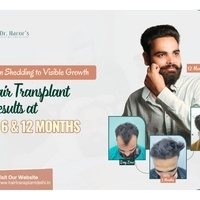
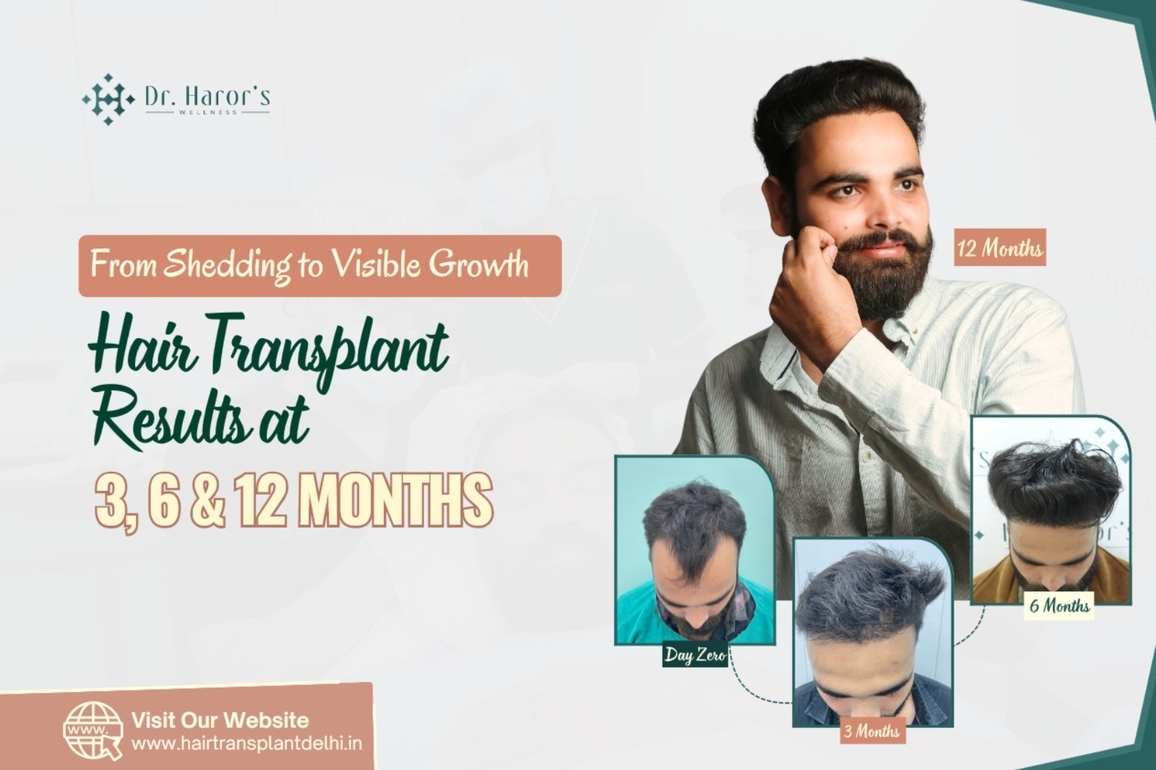
Month-by-Month Hair Transplant Results ProgressMonth 1: The Healing and Shedding Phase
In the first month after a hair transplant procedure, the focus remains on healing and the start of the growth cycle. Patients may experience some discomfort, swelling, or redness in the recipient and donor sites, which are temporary and diminish within a few days. During the first few weeks, the scalp will develop small black scabs as the skin heals. Patients are recommended to wash the scalp with a gentle shampoo, such as baby shampoo or products supplied by the clinic, and to avoid scratching or picking their scalp. From week two to week four, the patient will experience the 'shedding phase' or 'shock loss.' While this can be upsetting for the patient, it is perfectly normal. The transplanted hair shafts will shed, but the follicles remain safe and healthy, prepared to start growing new hair.
Months 2-3: The Dormancy Phase
The second and third months are often considered the most psychologically challenging phase. During this period, the scalp may appear largely unchanged, and the area may look as thin as it did prior to the surgery. The hair follicles have entered a resting phase.
'It's normal to feel a little nervous or impatient when there's no immediate growth, but this is the 'silent success' stage where the groundwork is being done beneath the skin's surface,' says Dr. Navnit Haror.
'During this resting period, patients need to be patient and adhere to their clinic's aftercare advice. By the end of month three, the first signs of new hair growth appear as thin 'baby hair' begins to break through the skin, providing evidence of life for the new follicles.'
Months 4-6: Early Growth and Visible Developments
By month four, things start to get exciting. You begin to see new hair growth, but it's still quite fine and may appear a bit wiry or patchy at first. Over the next two months, this new hair begins to look similar to the surrounding native hair. Months five and six are a time for growth and increasing density. The hair grows at a consistent rate (about half an inch per month). There is a noticeable improvement in hairline shape and coverage. This is also the period when patients can begin to try different hairstyles.
Months 6 to 9: Dramatic Changes
Between the six and nine months, patients notice a remarkable transformation. Transplanted hair starts becoming thick, and the hair density increases so much that the new hair gets mixed with the existing hair so well that it becomes difficult to differentiate which is transplanted hair and which is old.
Months 9 to 12+: Maturation and Final Results
By the 9- to 12-month mark, most patients reach the final stages of their hair restoration journey. The hair continues to grow thicker, with its natural strength and density. While hair transplant results become visible by one year, some patients, especially those who have had the procedure performed on the crown area, may take up to 18 months for fully mature hair, taking on its final texture and thickness.
A hair transplant is an excellent way of recovering lost hair and self-esteem. But it's important to keep in mind that hair restoration is a gradual process. You can't have a hair transplant today and expect to see the results in 10 days. So, what to expect with hair transplant results is essential to help you set the right expectations. Also, remember that a hair transplant will cover your bald patches. It's unlikely your hair will look exactly like it did in high school or college. So expect the procedure to give you the right results. If you're interested in hair restoration, book your personal consultation with Dr. Haror's Wellness, the leading hair transplant clinic in Delhi, India, that provides the best hair transplant results in India.
Disclaimer: This article is based on information, opinions, and insights shared by the featured expert. The content is intended for informational purposes only and should not be considered a substitute for professional medical advice, diagnosis, or treatment. Individual results and experiences may vary.
(ADVERTORIAL DISCLAIMER: The above press release has been provided by PNN. ANI will not be responsible in any way for the content of the same.)