


For the first time in the countrys history, Syrians are preparing to publicly mark Human Rights Day next week a small but meaningful step that UN human rights officials say signals a new chapter in their engagement with the authorities, and a cautiously optimistic moment for millions seeking change.
Tens of thousands of people went missing in Syria over the past 50 years under the Assad dictatorship, including during 14 years of civil war which began in 2011.
When the gates of Syrias notorious Sednaya prison opened soon after the fall of the Assad regime last December, graffiti scrawled on the walls offered a frightening glimpse into what was widely known as the human slaughterhouse. First day, severe beating, one prisoner wrote.
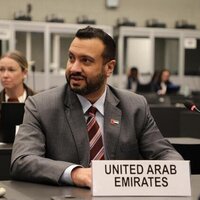
Coinciding with the anniversary of the collapse of the former regime, things are improving, Mohammad Al Nsour, Chief of the Middle East and North Africa Section atOHCHRtold .
Every time we go to Damascus, we can see the change.
OHCHR blocked from operating inside Syria for many years now has a team permanently deployed in Damascus. For Mr. Al Nsour, this marks a significant turning point after a long period of monitoring human rights conditions remotely from Beirut.
The former government denied access to OHCHR, he recalled, speaking from Geneva. We tried many times, but now, it is a great advantage to be on the ground, he added.
Wikimedia Commons/Bernard GagnonUmayyad Mosque in Damascus, Syria.Signs of progress
Syria continues to face a number of pressing priorities: the need to rebuild a war-damaged country, addressing the many remaining grievances, and achieving justice for past and present violations.
The senior official noted that insecurity also remains an alarming concern from the northeast, to Sweida to the mass killings earlier this year in coastal areas, including by members of the governments security forces.
Yet, he insisted that the overall direction is very constructive and positive.
There is a political will from the government to improve, he said, emphasising daily engagement between OHCHR and the authorities. The government has been receiving technical assistance from UN officials aimed at reforming legislation, strengthening human rights in law enforcement institutions, and improving public administration.
These steps, he said, show a commitment to a rights-based future.
He stressed that one of the major advantages of having an office inside the country is that is functions as an advisor to the authorities.
We monitor, report, and use advocacy to alert the authorities of violations in order to prevent them. Our purpose and main objective is not to shame and blame any government, rather to prevent violations.
SoundcloudSymbolic change
Preparations are under way for Syrias first ever Human Rights Day celebration on 10 December, only two days after it marks a year since the fall of the Assad regime.
The event is co-organized by OHCHR and the Syrian Ministry of Foreign Affairs under the theme: .
Mr. Al Nsour said the celebration will mark a new chapter in our relationship with the Syrian government and discussions will focus on how to advance the human rights agenda in the new Syria.
Accountability and justice
For many Syrians, accountability remains central.
After violent incidents in the coastal region last March, the authorities established a National Investigative Committee which received significant technical advice from OHCHR and now, some perpetrators are being tried before a national court.
Mr. Al Nsour noted that the Government also accepted the renewal of the UN Commission of Inquirys mandate, enabling continued independent international investigations, not only in the violations committed under the Assad regime, but also since its fall.
Looking ahead, transitional justice is the priority for 2026.
There is a need not only for accountability, he said, but also truth-telling, reparations, and national reconciliation.
Womens voices
OHCHR is also supporting women-led civil society organisations and promoting greater womens representation in political institutions, particularly in the wake of parliamentary elections a request Mr. Al Nsour said the authorities are becoming increasingly receptive to.
At the same time, it is also empowering these organisations by training them to use advocacy to promote their cause and connecting them with international human rights mechanisms.
UNOCHA/Ali Haj SuleimanOCHA cross-border mission to Ma'arrat An Nu'man.The OHCHR official emphasised that the greatest source of hope for Syria is Syrians themselves.
What is amazing about Syria is the resilience of the Syrian people, he said. What gives you hope is this amazing, educated young generation that is willing to engage with the new Syria in a very positive way.
Across the country, he noted that young people have launched grassroots initiatives, from cleaning public parks to supporting local services small acts that rebuild a sense of community after conflict.
They saw what happened in other countries post conflict situations in the region and beyond and they are trying their best to push in the right direction.
A long road ahead
Financial pressures are mounting, but donors have shown very positive indications of increased funding for Syria, according to Mr. Al Nsour.
There is great interest from major donors to promote human rights in the new Syria, he explained, both from within and outside the region.
Despite many hurdles, he noted the determination of Syrians to rebuild their country, grounded in human rights.
As Syrians mark Human Rights Day this year, perhaps the greatest message is clear: progress, however fragile, is finally visible and hope is rising with it.
Wikimedia Commons/Bernard GagnonUmayyad Mosque in Damascus, Syria.SoundcloudUNOCHA/Ali Haj SuleimanOCHA cross-border mission to Ma'arrat An Nu'man.