

Scolded for wanting to go to school as a girl and dismissed or ignored as an adult, Awrelia from Wau in South Sudan has learnt to advocate for herself, her children and for the women in her community.
She knows whatitslike to be silenced.
Born into a family thatdidntbelieve in educating girls, shehadto stayhome while her brothers went to school. Only when she moved to Khartoum with her uncle did she get a chance to study, though not for long.
I was forced into marriage at 14, Awrelia said. Even before then, some relatives scolded me just for going to school. I fought to finish primary school, but Icouldntgo any further.
Even so, she never gave up on the value of education especially for her daughters. I hope they grow up to be responsible and successful women leaders. Somethinghas tochange for girls.
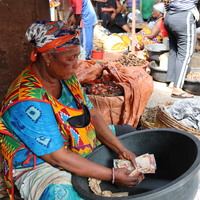
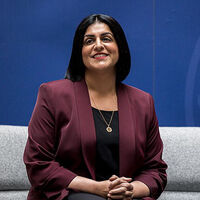
IOM/Amber ChristinoAwrelia at home in Wau.Widowed mother of eight
In South Sudan, where conflict and deeply entrenched gender norms have shaped life for generations, change comes slowly yet women like Awrelia are leading it with courage and determination.
A widowed mother of eight, she has spent years raising her children alone, often under difficult and uncertain conditions.
Their father died when they werevery young. My eldest was still in primary school, Awrelia recounts. Ive been raising them alone ever since.
In her daily life, Awrelia constantly navigates complex family dynamics, scarcity, and stigma, but she keeps going. People expect us to endure silently. Even when women try to seek help, no one responds.
In public spaces, the challenges are even greater. Speaking ahead of theInternational Day for the Elimination of Violence Against Womenmarked annually on 25 November, Awrelia described how women are often dismissed or ignored. They say were just women, as if our voices dont matter, she said. I kept quiet for years because I was afraid to speak up.
IOM/Geoffrey SaukeNearly 1,400 women across South Sudan have benefitted from leadership training.Transformative training
But even before she spoke out, Awrelia was leading in her own way fighting for her childrens education and holding her family together. That strength deepened when she joined a womens leadership training organized by the International Organization for Migration (IOM) in Wau.
The training is included inIOMs gender-transformative recovery programme part ofa broader, locallyledeffort to strengthen womens leadership and ensure their participation in community decisions.
Across South Sudan, womens groups and grassroots movements have long been laying the groundwork for change. The five-day course builds on that momentum, offering women a safe space to reflect, learn, and grow together.
I learned that being a leader means treating others fairly and solving problems with patience, she said. The training gave me courage to stand up for myself. Now I know I can lead.
Back in her community, she put her new confidence into action. Her local womens group had nearly collapsed, but she brought it back together. Now they meet regularly to support one another and share their challenges.
Though they lack funding for income-generating activities like sewing or catering, the group offers something equally powerful: solidarity.
Women run households
In many displacement-affected areas of South Sudan, women head up to 80 per cent of households.
In Wau, Bentiu, Malakal, and other areas where IOM runs the programme, more women are stepping forward. Those who once stayed silent now speak up at meetings, support survivors of violence, and build networks to share experiences and grow together.
Awrelia has noticed a change in how she is perceived. People recognize me now, she said. During a meeting with chiefs and women leaders, they mentioned my name and honoured me in front of everyone. It made me feel proud. The women I lead respect me, and I respect them.
From homes to community halls, women like Awrelia are finding their voices and reshaping what the future can look like for their daughters, their families, and their country.
IOM/Amber ChristinoAwrelia at home in Wau.IOM/Geoffrey SaukeNearly 1,400 women across South Sudan have benefitted from leadership training.