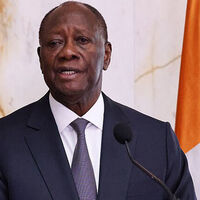


The Ivory Coast, the world's top cocoa producer, heads to the polls on Saturday. Five candidates among them President Assane Ouattara are competing for the top job, while several key rivals have been excluded from the race.
Ivory Coastis voting to elect a new leader Saturday as longtime PresidentAlassane Ouattaraseeks a fourth term.
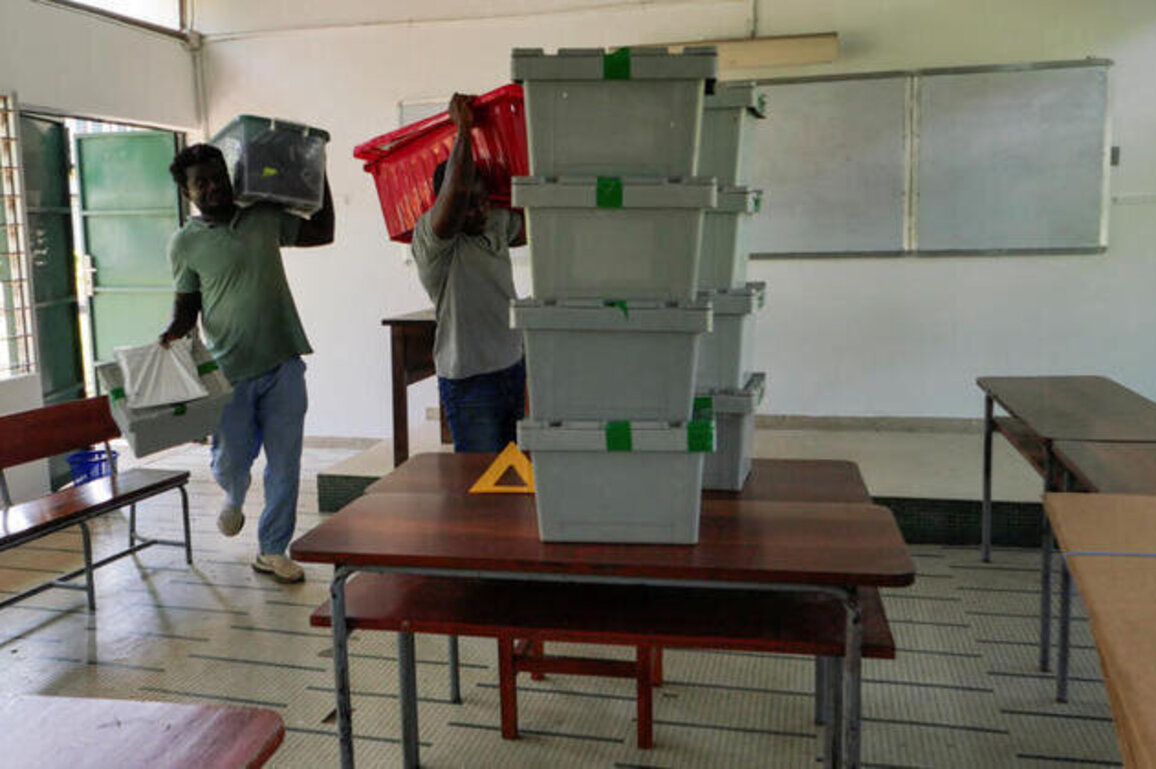
Voting is expected to open at 0800 GMT and close by 1800 GMT, with 8.7 million people registered to vote. Turnout has only been slightly above 50% in the last twoelections. Vote counting is expected to begin immediately after the polls close.
Alassane Ouattara, the 83-year-old leader of the worlds biggest producer of cocoa, is being challenged by four other candidates for Ivory Coasts top job. They includeSimone Gbagbo,a former first lady, and Jean-Loius Billion, a former commerce minister under Ouattara. They have all promised jobs and new agricultural policies.
If Ouattara wins, this would extend his rule to almost two decades. Ouattaras party, the Rally of Houphouetistes for Democracy and Peace, or RHDP, also holds a majority of seats in parliament with 169 out of 255 seats.
Ouattara has overseen Ivory Coasts economic reconstruction since the civil war, achieving an annual growth rate of 6% backed by a boom in cocoa. However, 37.5% of the countrys 30 million people still live inpoverty, and jobs are scarce for young people.
A former deputy managing director at the International Monetary Fund, Ouatarras investment in the public sector and infrastructure has endeared him to his supporters.
The build-up to the election has been marred by protests against the exclusion of major candidates who could pose a challenge to Ouattaras ambition. The final list of registered candidates did not include Tidjane Thiam, a former Credit Suisse executive, andLaurent Gbagbo, a former candidate who still retains the support of a large section of the voter base.
Their supporters had taken to the streets, with several hundred people arrested and dozens jailed already. This has raised the specter ofpast electoral crisesthat killed at least 3,000 people in 2010 and 2011 and almost 100 people in 2020. The government also restricted the gathering of people outside the five parties contesting the election and deployed more than 40,000 personnel across the country.
(FRANCE 24 with AP)
Originally published on France24