

Morocco is among a string of countries in the Global South that recently experienced a wave of youth-led protests that brought digital dissent to the streets. After a royal cabinet meeting this Sunday,its governmentis attempting to appease the protesters but will Gen Z be convinced?
Moroccois one of several countries in the Global South experiencing a wave of dissent from its disenchanted, frustrated and alienated young citizens.
The Gen-Z 212 group named after Moroccos dialing code emerged from a Discordserver that grew from 3,000 members to more than 130,000 in the first days of a nationwideprotestthat began in September 2025. Its one of the many recent cases of digital dissent materialising in the real world.
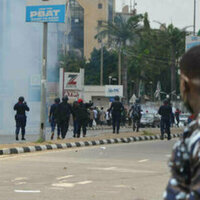
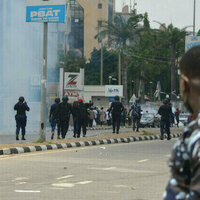
Authorities responded by banning protests and forcibly dispersing demonstrators, including with lethal force, killing three people and injuring dozens. Nearly1,000 people were reportedlyarrested, and at least 270 protesters including 39 children, faced criminal charges. Some remain detained.
Read moreMorocco vows social reforms after youth-led protests shake government
Many Moroccans often directly addressedKing Mohammed VIduring the demonstrations,chanting: The people want the King to intervene." Moroccos royalty is still widely seen as an arbitrator between the people and the government.
Ten days ago, on October 10, the King was to speak in ahighly anticipated eventwhere citizens expected him to address the growing public dissent. But Mohammed VI never directly addressed the youth protests, leaving many disappointed.
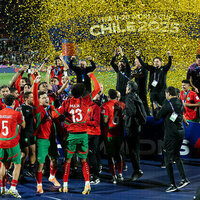
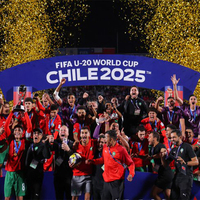
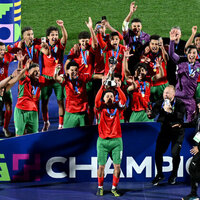
However, a more recent meeting he chaired does address some of the discontent, albeit indirectly, in a likely first attempt at quelling the anger on the ground. The highly anticipated October 19 royal cabinet meeting (that was somewhat overshadowed by the countrys historic victory in the U20World Cup) has put forward a series of bills to address the issues raised during the protest and appease the protesters.
It unveiled broad outlines of the 2026 finance bill which would prioritise creating jobs for young people" and promoting education and health sectors with greater speed. The draft laws and so called budgetary effort aimed, overall, at strengthening social sectors, modernising public life and encouraging youth participation in politics.
Many critics say the budget is a strategic move intended to win back a generation estranged from the state.
"The fact that the announcement came from the royal cabinet and not the government is very significant: it's a way of telling young people that they have been heard, without descending into the political arena," explains sociologist Mehdi Alioua, from Sciences Po Rabat-UIR.
Whether that attempt will be accepted by the demonstrators remains to be seen. Here are some of the ways in which Moroccos leadership is trying to bridge the gap with its youth.
Putting health, education and employment first
Better education and healthcare have been among the top demands of the dissenters.
The watershed moment for the protests took place in mid-September, after several women died during routine caesarean sections at the publichospitalin Agadir, in southern Morocco. The incident immediately drew ire; many saw it as a symbol for a failing healthcare system that ignored the needs of the masses.
The public anger was backed by data: Morocco reportedly has only7.7 medical professionals per 10,000 inhabitants,most of which are disproportionally represented in urban regions. The countrys public health system providesmore than 80% of care, but accounts for only 40% of spendingwith many citizens paying out-of-pocket for private care.
Education and employment were also hot-button topics asyouth unemployment sits at 36%.
In his speech, the King said that 140 billion dirhams (nearly 13 billion euros) will be allocated to health and education in the new budget, representing nearly 10% ofGDP. He said the change would create 27,000 more jobs and include the renovation of 90 hospitals, the opening of new hospitals in Agadir and Laayoune, and the completion of the Ibn Sina University Hospital in Rabat.
"Investing in education and health is essential, but the results will have to be measured over time. One of the complaints of the young people on the streets was that things aren't moving fast enough," emphasizes Mehdi Alioua. While it is a positive move, he says, it does little to address teacher shortages, transport issues, the rise of private universities or widening disparities in access to public services.
Read moreShortages, sanitation issues and corruption: Moroccos public hospitals at a breaking point
The proposed reform also said it would strengthen "school support services", which would imply expanding preschool education, which is almost exclusively private and unaffordable for many Moroccan parents. "There is a huge gap in educating and learning between children who have attended preschool and those who arrive at school for the first time at six or seven," the sociologist points out, saying that the proposal, if implemented, could significantly improve the quality of education nationwide.
Giving the youth an official voice
The royal cabinet also attempted to appease their largely Gen-Z protesters by offering to increase their involvement in politics.
One proposed bill would simplify eligibility requirement and provide financial aid covering up to 75% of campaign costs for candidates under the age of 35. Another proposal aims to modernise parties by increasing transparency, and encouraging the participation of women and young people.
But Alioua isnt entirely sure that this plan will convince a disenchanted population. "It's very difficult to say whether measures like these will encourage political engagement among young people," he says. "A lot of people talk about politics, but not many want to get involved.
Economic success is still seen as proof of competence in Morocco, which discourages young people from getting involved. They are sorely lacking role models from civil society teachers, doctors, workers who, out of political conviction, get involved in a party," he adds.
'Stadiums are here, but where are the hospitals?'
The proposal promises "special attention" to mountain regions, oases, and the coastline directly addressing one of Gen-Z 212s major demands to reduce class and territorial inequalities.
Take Moroccos tourism wealth, which has led to the development of its major cities and tourism locales. Revenues of this sector reached$9.6 billion between January and August 2025, and contributed 12.3% to Moroccos GDP in 2024, underscoring its strategic role in the national economy. But locals in more marginalised areas say they dont reap the benefits, and most of its 37 million odd citizens still deal with soaring costs and stagnating wages.
It highlights one of the many inequalities between urban and rural regions.
Read moreHow the One Piece manga has become a global symbol of Gen Z revolt
"Billions were invested 20 years ago to connect water and electricity, without managing to address the poverty in these areas," notes Alioua. "These investments sometimes created an underpaid agricultural proletariat. It is often these young people, especially women, who end up migrating. Today, they are waiting for concrete results."
Another cause of anger with protesters was Moroccos heavy spending for the 2030FIFAworld cup which its co-hosting withPortugalandSpain. Stadiums are here, but where are the hospitals? was one of the most widely chanted slogans. The country says it is constructing seven new stadiums and renovating seven others in preparation for the 2030 FIFAWorld Cup, which will cost$16 billion. Yet, the monthly minimum wage in the country hovers at around $300, with many languishing in poverty in Moroccos poorer regions.
But the frustrations with FIFA were brushed aside by King Mohammed VI. "There should be no contradiction or rivalry between major national projects and social programmes, as long as the goal is to develop the country and improve the living conditions of citizens," he said in his speech.
Voices finally heard?
But still, the guidelines offer some hope mainly in adding pressure to politicians to implement the changes proposed by their regent.
Theseguidelines, now included in the budget, put pressure on political leaders: "Protesters on the street, the voters and the royal palace now stand against those who do not apply the guidelines," warns the sociologist Alioua.
The proposals have given the younger generation a newfound confidence: their words and actions were heard and received by the countrys highest figure, and over time, some of their demands may be met.
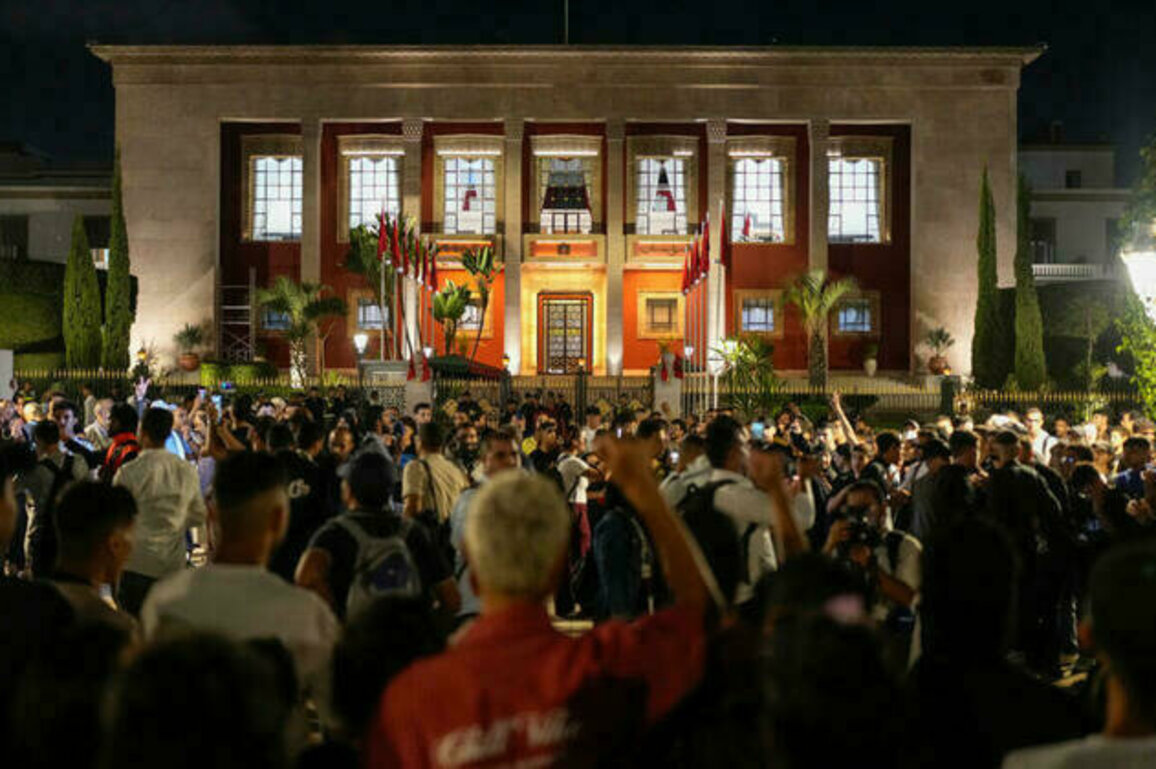
The day before these announcements, the mobilisation continued in front of the Parliament in Rabat. "We will continue until our demands are met, not only in words, but also in deeds," said 22-year-old Reda. Another protester, Naji, added optimistically: "It's too early to say if this movement will bear fruit, but it's clear that young people are full of hope!"
Originally published on France24