

Morocco, which will host the 2030 football World Cup, has denied accusations by animal welfare groups that it is systematically culling stray dogs ahead of the event. Authorities maintain that they have been neutering and vaccinating stray dogs before releasing them back onto the street.
Animal welfare groups have accusedMoroccoof culling stray dogs as itprepares to host football's 2030 World Cup, but the kingdom denies the accusations, vowing to protect the canines.
Advocates have charged that Morocco was indiscriminately ridding its streets of strays ahead of the global sporting event it will jointly host withPortugalandSpain.
Authorities in the North African country, however, insist they had endorsed a non-lethal method known as TNVR to trap, neuter, vaccinate, and then release the dogs aimed at reducing public health risks while controlling the stray population.
And a bill aimed at protecting streetanimalswas adopted earlier this month, still pending parliament review.
It would set fines of up to $1,500 or jail terms of up to three months for harming stray dogs, according to a copy of the bill seen by AFP.
Yet the culling accusations persist as online videos show dogs being shot or poisoned with strychnine, a toxic alkaloid which is sometimes used as a pesticide.
In the videos from across the country, some of the dogs appear to already have marks on their ears indicating they had been sterilised and vaccinated.
Mohammed, a resident ofTangiersin Morocco's north who refused to give his last name for fear of retribution, said he witnessed a dog he had often seen in the neighbourhood where he works get poisoned and killed.
"I heard her cry before I saw her die," he recalled. That dog, too, had its ear tagged, he said.
'Bad image'
An online petition launched by the International Animal Coalition to end the "violent killing of dogs on the streets and beaches of Morocco" has gathered nearly 75,000 signatures.
In June, an activist interrupted aFIFAClub World Cup match, invading the pitch with a sign that read: "Morocco: stop shooting dogs and cats".
France's Brigitte Bardot Foundation, created by the movie star in 1986 to promote animal protection, has called on FIFA to block Morocco from hosting the 2030 tournament.
Moroccan Interior Minister Abdelouafi Laftit has decried "media attacks" against the government with "wrong and out-of-context information".
Advocates say Morocco has around three million stray dogs, but no official figures exist.
Each year, there are about 100,000 stray dog bites nationwide, according to official data. In 2024, authorities said 33 people died from rabies, which is often transmitted by unvaccinated animals.
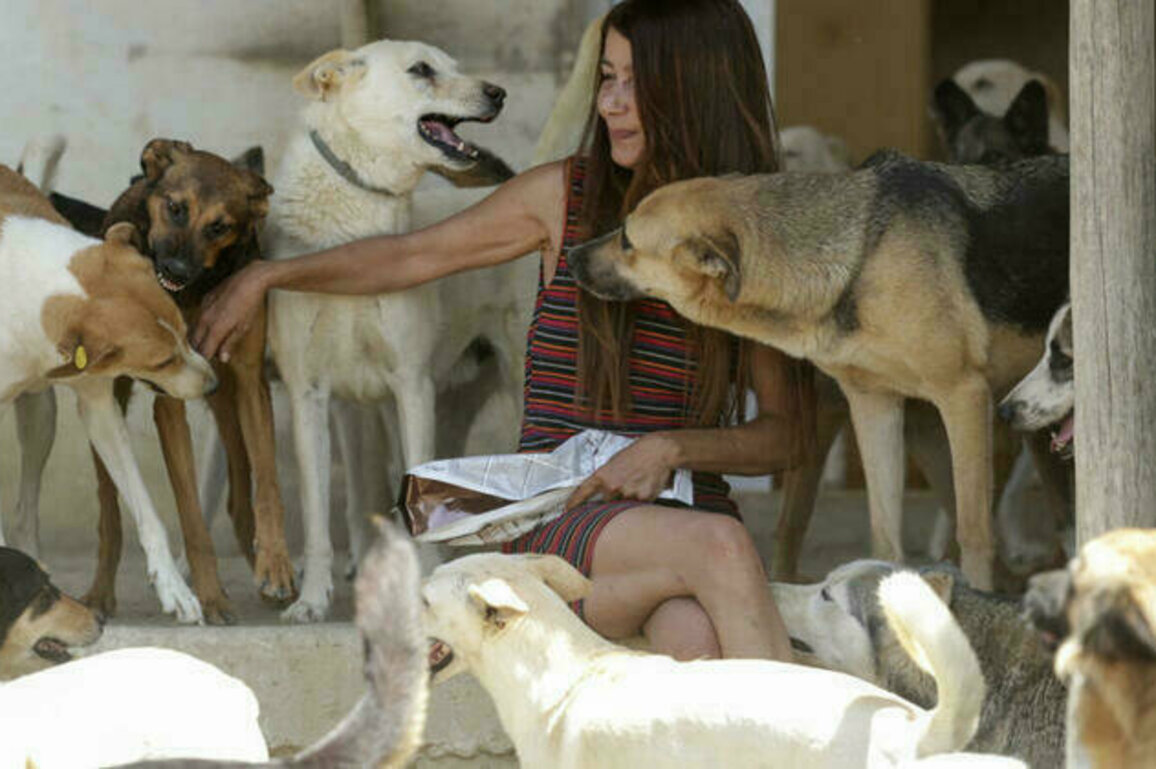
"Local officials still see dogs on the streets as presenting a bad image," said Salima Kadaoui, 52, who launched the Hayat project, using the TNVR method to help control the stray dog population in Tangiers and aiming at eradicating rabies.
Rabies 'police'
Kadaoui commended government efforts to protect animals, saying she was "fully available" to work with authorities and build up on the success of Hayat meaning "life" in Arabic which has treated more than 4,600 dogs in Tangiers alone since 2016.
She said it was "essential" not to kill TNVR-tagged dogs and to return them to the same place.
"They're like police against rabies. If a rabid dog shows up, they drive it away and protect the community."
The government has invested more than $24 million in creating clinics capable of implementing TNVR en masse, said Mohammed Roudani, head of hygiene and green spaces at the interior ministry.
One clinic is already active in Al Arjat, near the capital Rabat, where veterinarian Youssef Lhor said more than 500 dogs had been treated this year and nearly half of them released back to the areas where they had been captured.
A young female dog, tagged "636", was recovering at the clinic after being sterilised, and will soon be released.
"Sometimes people tell us: 'You took the dogs away, why are you bringing them back?'" said Lhor, highlighting the need for public awareness on the issue.
Moroccan authorities have developed a mobile app explaining what these clinics do, and allowing users to report sightings of stray dogs.
Kadaoui said it was important to educate people on proper behaviour around strays and to warn against myths, like the idea that spitting on a dog bite could heal the injury.
(FRANCE 24 with AFP)
Originally published on France24